


How Pixel-Perfect UI_UX Design Can Boost Your Website’s Success

How Pixel-Perfect UI/UX Design Can Boost Your Website’s Success

In today’s fiercely competitive digital landscape, your website is often the first impression a potential customer has of your brand. Simply having an online presence isn’t enough; you need a website that not only looks good but also functions flawlessly and provides an enjoyable experience. This is where pixel-perfect UI/UX design comes into play. It goes beyond mere aesthetics; it’s about crafting an immersive and intuitive experience that delights visitors and guides them effortlessly towards your desired actions.

Here’s how investing in pixel-perfect UI/UX design can significantly boost your website’s success:

1. Enhanced User Engagement and Time on Site

When a website is visually appealing, easy to navigate, and highly responsive, users are inherently more likely to stay longer, explore more pages, and interact deeply with your content. A seamless and enjoyable experience reduces bounce rates, encourages exploration, and keeps visitors engaged. This increased engagement not only signals to search engines that your site is valuable, but it also increases the likelihood of visitors becoming leads or customers.

2. Improved Brand Perception and Credibility

A meticulously designed website conveys professionalism, attention to detail, and trustworthiness. Every element, from typography and color palettes to spacing and imagery, contributes to your brand identity. A polished, pixel-perfect design instantly builds credibility with your audience, making them more likely to trust your brand, products, or services. Conversely, a clunky, poorly designed, or inconsistent website can erode confidence and make your brand appear less reliable.

3. Higher Conversion Rates

The ultimate goal of most websites is conversion, whether it’s a product purchase, a lead generation form submission, a newsletter signup, or a content download. Pixel-perfect UI/UX design meticulously optimizes the user journey, making it intuitive and effortless for visitors to find what they’re looking for and complete desired actions. Clear calls to action (CTAs), intuitive navigation, streamlined forms, and a frictionless checkout process all contribute directly to higher conversion rates, turning visitors into valuable customers.

4. Reduced User Frustration and Support Queries

A well-designed interface anticipates user needs, reduces cognitive load, and minimizes potential points of confusion. When users can easily find information, understand processes, and navigate your site without obstacles, they’re significantly less likely to get frustrated. This translates directly to fewer support queries, freeing up your customer service team to handle more complex issues and improving overall customer satisfaction.

5. Stronger Search Engine Optimization (SEO)

While often considered a separate discipline, good UI/UX indirectly contributes significantly to your SEO efforts. Google and other search engines prioritize user experience as a ranking factor. Metrics like time on site, bounce rate, and pages per session are all influenced by design. A positive user experience signals to search engines that your content is valuable, potentially leading to better rankings. Furthermore, a well-structured, accessible, and responsive design makes it easier for search engine crawlers to understand and index your content, further boosting your visibility.

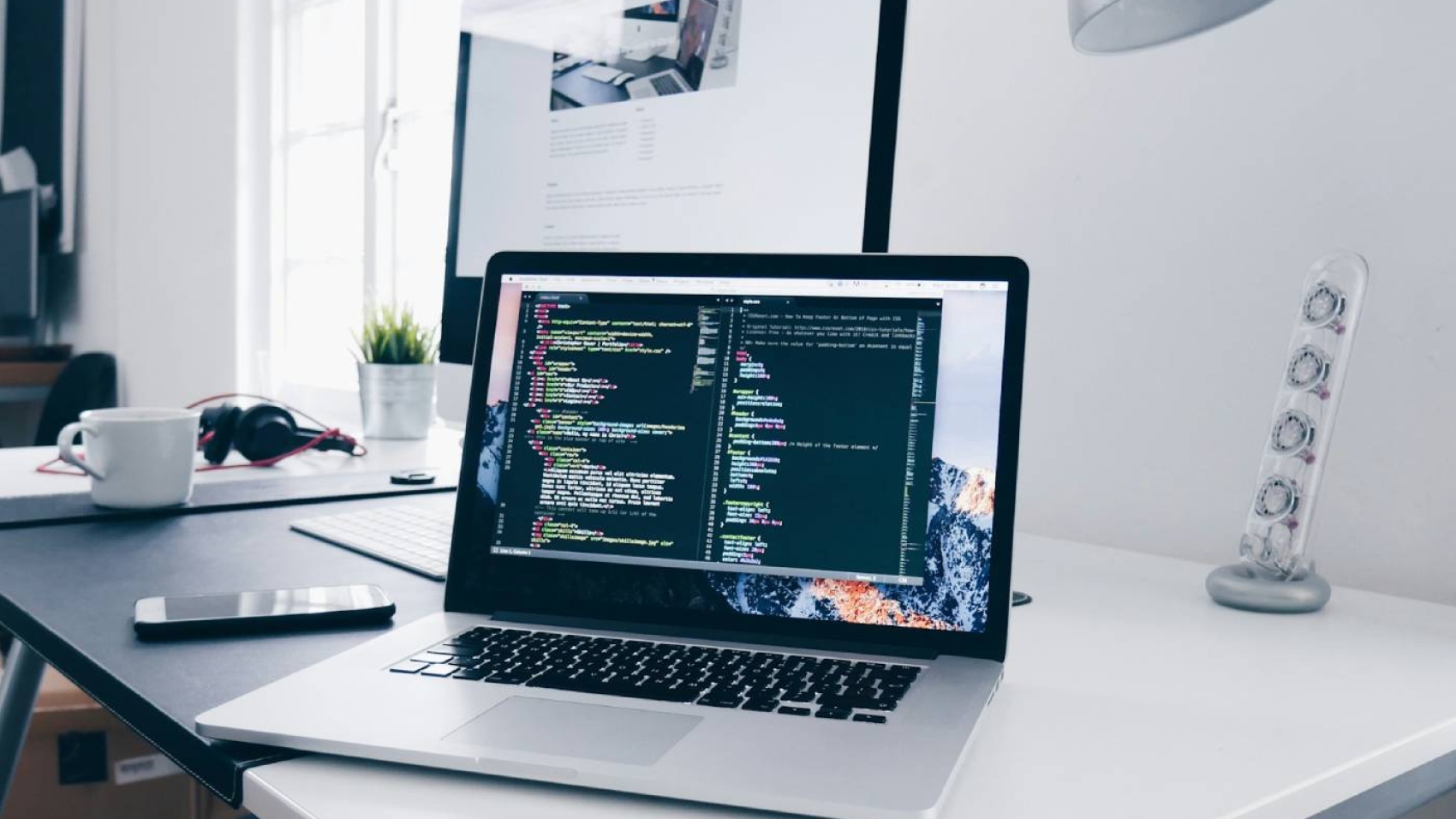
7 Essential Features Every Custom WordPress Plugin Should Have (1)

7 Essential Features Every Custom WordPress Plugin Should Have

While WordPress boasts an extensive repository of plugins, there often comes a point where off-the-shelf solutions just don’t cut it. Custom plugins empower you to tailor your website’s functionality precisely to your unique business needs, offering a competitive edge and streamlined workflows. But what makes a truly effective custom plugin? It’s more than just lines of code; it’s about building a robust, secure, and user-friendly solution.

Here are seven essential features to prioritize when developing or investing in a custom WordPress plugin:

1. Clean, Optimized, and Secure Code

This is the bedrock of any good plugin. Well-written code isn’t just about functionality; it’s about efficiency, scalability, and security. A custom plugin should be built with performance in mind, ensuring it doesn’t bloat your website or slow down load times. Furthermore, it must adhere to WordPress coding standards and employ robust security practices to prevent vulnerabilities that could compromise your site’s integrity and user data. Always prioritize developers who put security first.

2. Intuitive User Interface (UI)

A powerful plugin is useless if it’s difficult to use. A well-designed administrative interface is crucial for ease of use. This means clear labels, logical layouts, easily accessible settings, and helpful tooltips within the WordPress dashboard. An intuitive UI allows you and your team to configure settings, manage data, and utilize the plugin’s features without needing a developer on standby, saving time and frustration.

3. Extensibility and Hooks/Filters

A truly flexible plugin is built with future expansion in mind. By leveraging WordPress’s action and filter hooks, your custom plugin can seamlessly integrate with other themes and plugins. This extensibility allows for future customization, additional features, or integration with third-party services without requiring a complete rewrite. It ensures your plugin can grow and adapt with your website’s evolving needs.

4. Robust Error Handling and Logging

Things can, and often do, go wrong in software. A robust plugin anticipates this. Proper error handling prevents your website from crashing due to unexpected issues, displaying user-friendly messages instead of technical errors. Furthermore, comprehensive logging provides invaluable insights for debugging and troubleshooting. When an issue arises, detailed logs make it much quicker and easier for developers to identify and resolve the problem.

5. Performance Optimization

A custom plugin, if not built correctly, can significantly impact your website’s speed. Every line of code, every database query, and every loaded asset contributes to the overall page load time. Ensure your developer focuses on performance optimization techniques such as efficient database queries, proper caching mechanisms, lazy loading, and minimized resource loading. A fast-loading website improves user experience and positively impacts SEO.

6. Comprehensive Documentation

Whether for internal use, future developers, or even yourself down the line, clear and thorough documentation is invaluable. It should outline the plugin’s functionality, explain how to use its various features, detail its hooks and filters for extensibility, and provide guidance for any necessary modifications or troubleshooting. Good documentation saves time, prevents future headaches, and ensures the plugin’s longevity.

7. Compatibility with Latest WordPress Versions & Standards

WordPress is an actively developed platform, with new versions and security updates released regularly. A well-built custom plugin should be designed to be compatible with the latest WordPress versions and adhere to current coding standards and best practices. This ensures stability, reduces the risk of conflicts with future updates to WordPress core, themes, or other plugins, and contributes to the plugin’s long-term viability.

Top 5 Reasons to Invest in Ongoing Website Maintenance and Support

Top 5 Reasons to Invest in Ongoing Website Maintenance and Support

Launching a website is a significant achievement, but it’s crucial to understand that it’s not a “set it and forget it” endeavor. To ensure its continued success, security, and optimal performance, ongoing website maintenance and support are absolutely crucial. Think of your website like a valuable asset – whether it’s a car, a house, or a complex piece of machinery – it requires regular care and attention to function at its best and retain its value.

Here are the top five compelling reasons why continuous investment in your website’s maintenance and support is essential for your business:

1. Enhanced Security and Protection Against Threats

The internet is a constant battleground against malicious activity. Websites are prime targets for hackers, malware, viruses, and other cyber threats. Regular maintenance includes critical security updates for your CMS (like WordPress), themes, and plugins, along with vulnerability scanning and malware removal. These measures are vital for protecting your website, your business data, and sensitive customer information. A compromised website can lead to data breaches, significant reputational damage, and substantial financial losses. Proactive security is the best defense.

2. Optimal Performance and Speed

In today’s fast-paced digital world, users expect websites to load almost instantly. Slow websites deter visitors, increase bounce rates, and negatively impact your search engine rankings. Ongoing maintenance involves a suite of activities designed to keep your site running at peak performance. This includes optimizing database performance, implementing and managing caching solutions, image optimization, cleaning up unnecessary files, and addressing any performance bottlenecks that may arise. A fast-loading website provides a superior user experience and is a key factor in converting visitors.

3. Ensuring Compatibility and Preventing Breakdowns

Your website is a complex ecosystem of a content management system (e.g., WordPress), themes, and various plugins. All of these components are constantly updated by their developers. Without regular maintenance, these updates (or lack thereof) can lead to compatibility issues, broken functionalities, glitches, or even a completely crashed website. Ongoing support ensures your website remains compatible with the latest software versions, minimizing the risk of conflicts and preventing costly downtime that can severely impact your business operations and user experience.

4. Improved SEO and Search Engine Rankings

Search engines like Google prioritize websites that are secure, fast, and provide an excellent user experience. Regular maintenance directly contributes to all these factors. Activities such as fixing broken links, updating outdated content, optimizing meta descriptions, conducting technical SEO audits, and ensuring mobile responsiveness are all part of a comprehensive maintenance plan. A healthy, well-maintained website is much more likely to achieve and maintain high rankings in search results, driving more organic traffic to your business.

5. Peace of Mind and Business Continuity

Perhaps one of the most invaluable benefits of ongoing website maintenance and support is the peace of mind it offers. Knowing that your website is being regularly monitored, updated, secured, and backed up allows you to focus on your core business operations without the constant worry of potential website problems. In the event of an unexpected issue, having a dedicated support team ensures quick identification and resolution, minimizing downtime and protecting your business continuity and revenue streams.